

Colors have a direct impact on customers’ emotions and decision-making. In this article, we explore the secrets of using color and design effectively in outdoor advertising. Colors are our visual language, and in the highly competitive world of outdoor media, they have the power to create instant and meaningful connections with the audience. A smart choice of colors and design can communicate your message in a fraction of a second, evoke specific emotions, and leave a lasting impression of your brand in the viewer’s mind. This article examines how to strategically use color and design elements to create impactful outdoor advertising campaigns.
Colors are not just aesthetic elements, they influence the subconscious levels of the human brain, triggering a wide range of emotions, memories, and reactions. Understanding these effects helps us choose colors in outdoor advertising that convey the intended message most effectively.
Red: Symbolizes excitement, passion, love, power, and urgency. It grabs attention and conveys energy and enthusiasm. Commonly used for calls to action (CTA) or to create a sense of excitement.
Blue: Represents calmness, trust, stability, intelligence, and responsibility. Often used by brands that want to evoke professionalism and reliability.
Green: Associated with nature, growth, health, harmony, and wealth. It brings a sense of freshness, peace, and prosperity.
Yellow: Symbolizes happiness, optimism, creativity, and attention. Highly attention-grabbing and evokes positive energy and cheerfulness.
Orange: Combines the energy of red and the joy of yellow. It evokes enthusiasm, creativity, and vibrancy, often associated with youthfulness and innovation.
Purple: A royal color representing luxury, creativity, and spirituality. It conveys sophistication, high quality, and a sense of mystery.
Pink: Often linked with tenderness, love, calmness, and femininity. It gives a sense of softness and affection.
Black: Symbolizes power, elegance, formality, and luxury. It evokes a sense of authority and prestige.
White: Represents purity, simplicity, innocence, and openness. It conveys a sense of order and clarity.
Gray: A neutral color that expresses balance, professionalism, and modernity.
In outdoor advertising, color selection must be done carefully, aligning with the brand identity and the message intended to be conveyed. Color combinations are equally important, as they can either enhance or weaken the visual impact of an advertisement.
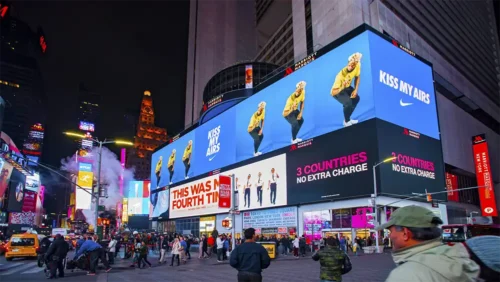
In outdoor advertising, the readability of the message is the top priority. Viewers usually pass by billboards quickly and have very limited time to grasp the message. Therefore, choosing the right font plays a crucial role in the success of a campaign.
Readable Design Standards in Outdoor Advertising

Straboard is More Than Just a Billboard | Behind Smart Advertising Decisions
An effective composition in outdoor advertising conveys the message quickly and clearly, while capturing the viewer’s attention.
For more on strategic placement, read our Guide to Choosing Billboard and Straboard Locations to select the best advertising spots.
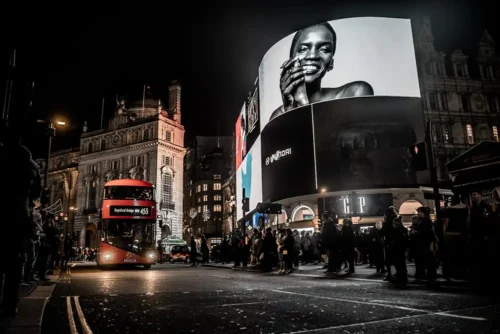
In today’s world, outdoor advertising is no longer just about putting up a colorful billboard; it’s a carefully crafted combination of color psychology, design principles, and a deep understanding of audience behavior. Every tone of color, every font choice, and even the spacing between visual elements can shape a customer’s emotions and decisions.
Brands that master this subtle art are the ones that stand out on city streets and stay in the audience’s mind longer.
Following this philosophy, Tamadonehonar Advertising Agency, with its scientific and creative approach, strives to turn every outdoor advertising design into a powerful and memorable experience, one that is not only seen, but felt.

A billboard is a large advertising structure typically installed in ...
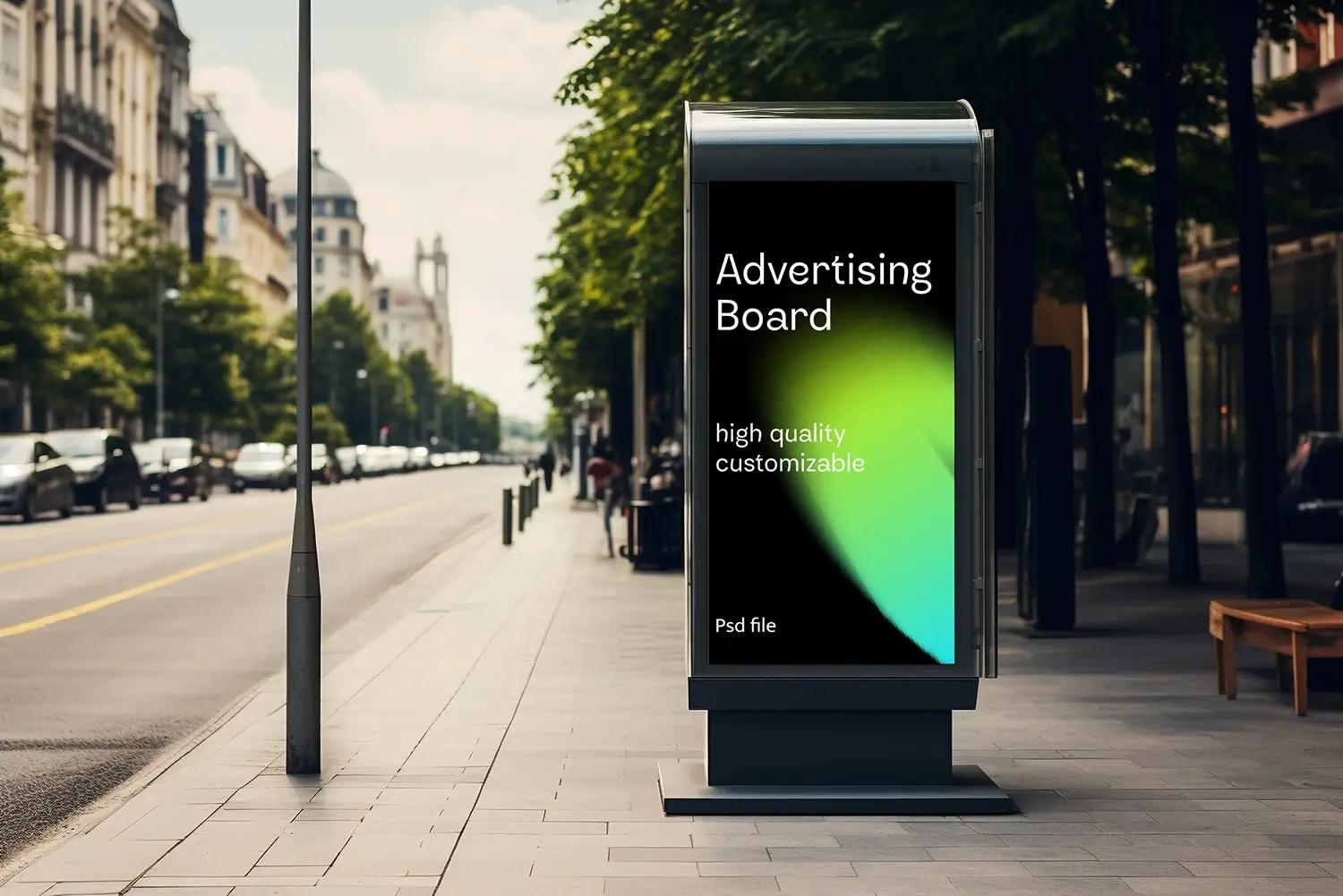
A straboard (Street Board) is a type of outdoor advertising ...
Advertising straboards are modern tools for outdoor advertising. These rectangular ...